Metal Roof Care in Dubbo: Preventing Rust, Corrosion & Wear
Metal roofing is built to handle tough conditions, but that doesn’t mean it’s maintenance-free. Over time, heat, UV exposure, dust, and seasonal storms can gradually break down protective coatings, loosen fasteners, and create small weak points where moisture can accumulate. In regions like Dubbo, where weather extremes can be a factor, these issues are especially relevant for anyone dealing with roofing in Dubbo.
In many cases, roof issues don’t appear as a dramatic leak. They show up as rust around screws, corrosion in gutters, or slow deterioration that eventually leads to water damage inside the building.
For property owners, the best approach is preventative. A few basic checks and regular roof plumbing maintenance can reduce corrosion risk and extend the life of your roof by years. Whether you’re looking after a home, shed, garage or commercial building, metal roof care is largely about catching problems while they’re still small and easy to manage.
This guide breaks down practical roof care steps, the most common corrosion zones, and what to look for if you want your metal roof to stay sound long term.
Why Metal Roofs Wear Differently in Harsh Conditions (Even When They Look Fine)
Metal roofs often look solid right up until they don’t. The surface may still appear intact, even as small components, such as washers, screws, and protective coatings, slowly break down. This is why roof care is less about waiting for obvious leaks and more about staying ahead of gradual wear.
- UV exposure can age coatings and sealants, leaving steel more exposed over time
- Heat expansion and contraction can loosen fixings and create small gaps at overlaps
- Dust and debris can settle in valleys and gutters, holding moisture against metal
A periodic roof inspection is one of the simplest ways to detect early wear before it becomes a bigger repair job.
Rust vs Corrosion: What’s the Difference and Why It Matters for Repairs
Rust and corrosion are often used interchangeably, but understanding the difference helps you recognise what you’re seeing and how serious it might be. Rust is the reddish-brown breakdown that affects iron or steel when it’s exposed to moisture and oxygen. Corrosion is a broader phenomenon that can affect various metals, particularly when moisture, salt, or chemical reactions are involved.
- Rust commonly appears around scratches, exposed steel edges and worn coatings
- Corrosion is often seen around fixings, flashing joins and gutter sections where water sits
- Early-stage surface rust can sometimes be treated, but deeper corrosion can weaken the structure
Knowing what you’re dealing with helps determine whether a repair is simple maintenance or a more urgent roof plumbing and roofing issue.
The Most Common Weak Spots on Metal Roofs (And Where to Look First)
To stay on top of roof condition, it’s helpful to know where problems tend to start. Most issues begin at joins, penetrations and drainage points, not on the flat open sections of roof sheet.
- Fasteners and rubber washers can perish and allow moisture into screw holes
- Overlaps, ridge caps and valleys can trap debris and moisture if not kept clean
- Flashings around chimneys, vents and skylights are common leak points if sealant fails
You don’t need to climb on the roof to spot early signs. From the ground, look for rust streaks, sagging gutters, loose sheets or staining near downpipes.
Gutters, Downpipes and Overflow: Roof Plumbing That Protects the Whole Structure
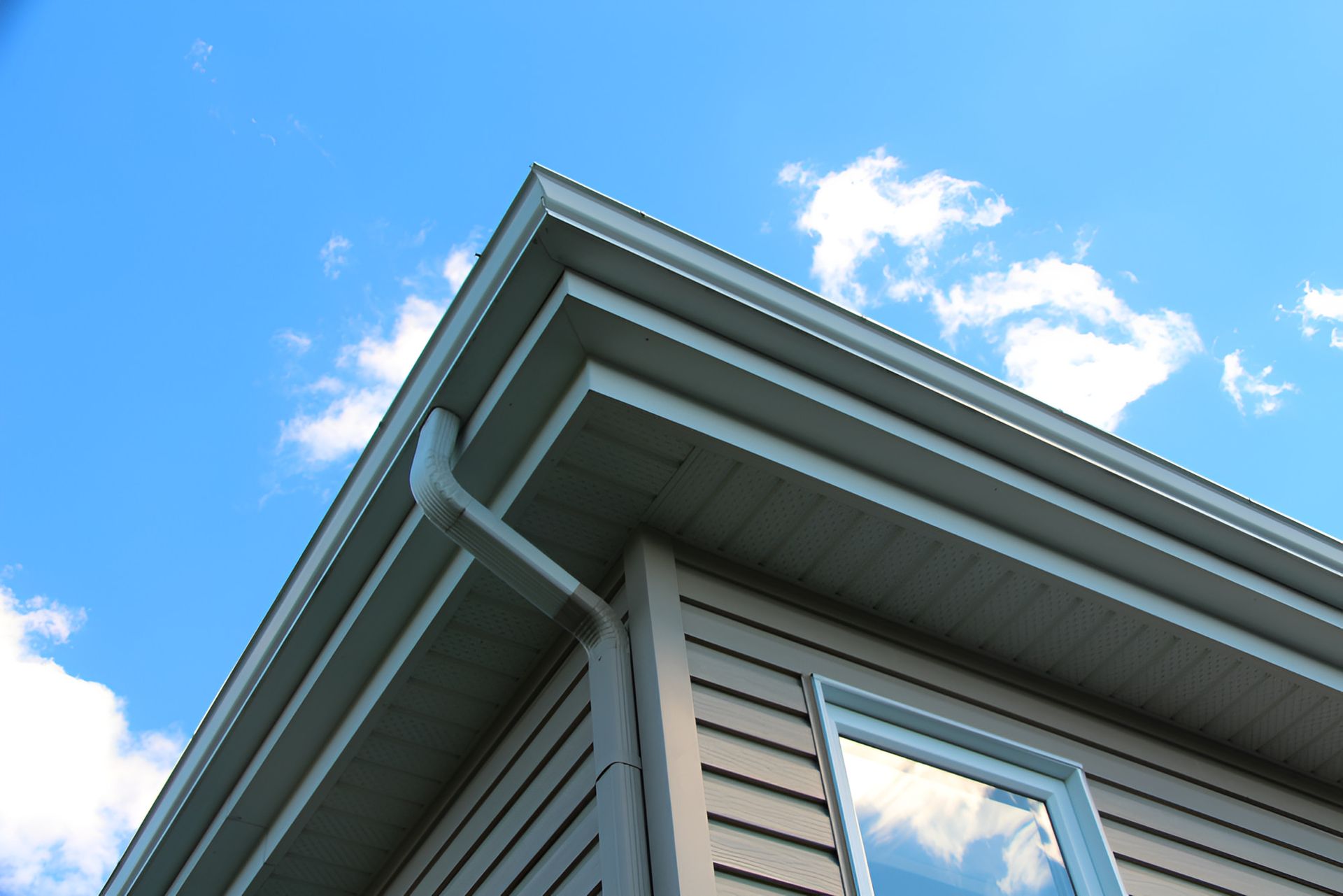
Roof care is also roof plumbing. Gutters and downpipes are designed to move water away quickly, and when they fail, it creates conditions that accelerate rust and corrosion. Overflow can also damage eaves, fascia, and wall cavities.
- Blocked gutters cause water to sit against metal for long periods, increasing rust risk
- Downpipe blockages can create overflow points that soak roof edges and fixings
- Poor drainage can lead to water entering roof spaces during storms and heavy rain
This is where roof plumbing maintenance makes a real difference. Keeping gutters clear and checking downpipes for flow is one of the most practical ways to prevent corrosion and avoid internal water damage.
Dust, Debris and Leaf Build-Up: The Hidden Cause of Moisture Traps
In many regional areas, dust is a constant factor. Dust settles on roofs, collects in gutters and mixes with leaf debris to form a damp sludge that holds moisture. Even if rainfall is infrequent, that trapped moisture sits directly against the metal surface.
- Valleys and roof joins can collect debris that holds moisture after rain
- Gutters fill faster in dusty conditions, increasing overflow and corrosion risk
- Debris build-up can hide early rust spots until they’ve progressed further
Cleaning debris out of gutters and problem zones is one of the easiest preventative steps property owners can take. It also improves stormwater flow during heavy rain events.
Seals, Screws and Flashings: Small Parts That Prevent Big Leaks
Metal roof systems rely heavily on small components. Screws, washers, flashing edges and sealants all contribute to weatherproofing. When these parts fail, water can enter even when roof sheets still look intact.
- Rubber washers can crack or compress over time, allowing water into fixings
- Screws can loosen due to expansion and contraction, creating movement at overlaps
- Sealant and flashing edges can lift or degrade, especially around penetrations
Replacing fixings and resealing flashings is often far cheaper than dealing with water damage later. This type of work is commonly handled by roof plumbers, especially when drainage and flashing issues are involved.
Storm Checks: What to Inspect After Heavy Rain, Hail or Strong Winds
After storms, roof damage isn’t always obvious. Minor movement, debris impacts, or overflow issues can take weeks to show up inside the building. A post-storm check can help identify issues early.
- Look for gutter overflow marks, bent flashing edges, or debris lodged in valleys
- Check for rust streaks or staining that appears after rain, especially near downpipes
- Inside the building, watch for damp patches, new ceiling stains or musty smells
If anything seems off, it’s worth arranging a professional roof inspection. Early repairs can prevent ongoing leaks and reduce the chance of structural timber damage.
A Simple Roof Care Routine That Extends the Life of Metal Roofing
Most metal roof problems can be reduced through routine checks and basic maintenance. You don’t need a complicated system. A simple seasonal approach helps catch wear early and keeps the roof plumbing working the way it should.
- Clear gutters and downpipes regularly, especially before storm season
- Do a visual check for rust, loose sheets, lifted flashing or overflowing gutters
- Arrange periodic inspections to check fasteners, sealants and drainage condition
Consistent roof care helps prevent corrosion, reduces the risk of leaks, and supports the long-term condition of the building. It also helps property owners plan repairs gradually, rather than being forced into urgent work after a failure.
Metal roofs in Dubbo and across the Central West are constantly exposed to heat, UV radiation, dust buildup, and sudden storm activity, which is why proactive maintenance is crucial. Here at GPS Plumbing, Drainage & Gasfitting, we help property owners stay on top of roof drainage, gutter condition, flashing issues and repairs to reduce rust and corrosion damage over time. If you’re looking for
roofing Dubbo services, need practical Roof care Dubbo advice, or want reliable plumbers Dubbo locals can call for roof plumbing maintenance, visit
https://www.gpsplumbingdubbo.com.au to book an inspection or
request a quote.