One Licensed Team for Your New Build: Plumbing, Roofing & Guttering Under One Roof
Building a new home involves dozens of moving parts, and few of them are as easy to overlook as the connection between what happens on the roof and what happens beneath the floor. Water has to travel from the sky to the stormwater system without a single weak point along the way, and that journey passes through several trades that don't always talk to each other. When plumbing, roofing and guttering are handled by separate contractors, small gaps in communication can turn into real problems once the home is finished and the weather arrives.
Why New Builds Need More Than Just a Plumber
A new build isn't just about pipes going into the ground. From the moment the roof frame goes up to the final fit-off of taps and drains, water management has to be planned as one continuous system rather than a series of separate jobs.
- Roof pitch and gutter sizing affect how much water the downpipes need to carry
- Downpipe placement has to line up with the stormwater plumbing already run underground
- Internal plumbing rough-ins need to be finalised before wall linings go up, which means timing with other trades matters
Treating these as isolated tasks, rather than parts of the same system, is where avoidable issues tend to creep in.
The Hidden Cost of Multiple Contractors
When a roofer, a guttering specialist and a plumber are all engaged separately, someone has to manage the handover between them. On a new build, that job often falls to the owner-builder or the site supervisor, who may not have visibility into every technical requirement.
- Scheduling conflicts can delay other trades waiting on plumbing or roofing to be finished
- If a leak or drainage issue appears later, working out which contractor is responsible can take time
- Each contractor may only warrant their own component, leaving gaps where the interface between systems isn't covered
None of this means separate contractors do poor work. It simply means more coordination is required, and that coordination has a cost in time and certainty.
One Licensed Team, Full Compliance
Plumbing, roofing and guttering are all governed by codes and standards that intersect at several points, particularly around stormwater drainage and roof plumbing. Having one licensed team responsible for all three means compliance is tracked against a single set of requirements rather than reconciled across multiple contractors afterwards.
- Roof drainage and stormwater plumbing are inspected against the same compliance checklist
- Certification and documentation come from one licensed provider, simplifying handover to council or certifiers
- Fewer parties means fewer opportunities for a compliance detail to fall between the cracks
This is one of the more practical advantages of engaging a single provider for a new build: less back-and-forth chasing paperwork from different businesses.
How Plumbing, Roofing and Guttering Work Together
Water management on a home is a chain. The roof sheds rainfall, the gutters collect it, the downpipes carry it down, and the plumbing system directs it away from the building. If any link in that chain is designed without reference to the others, the whole system underperforms.
- Gutter capacity needs to match the catchment area of the roof design
- Downpipe diameter and placement should align with the underground stormwater layout
- Overflow provisions in the guttering need to be considered alongside site drainage falls
A team that installs all three components can design them together from the outset, rather than adjusting one system to fit around decisions already made in another.
New Home Plumbing: Getting the Basics Right from the Start
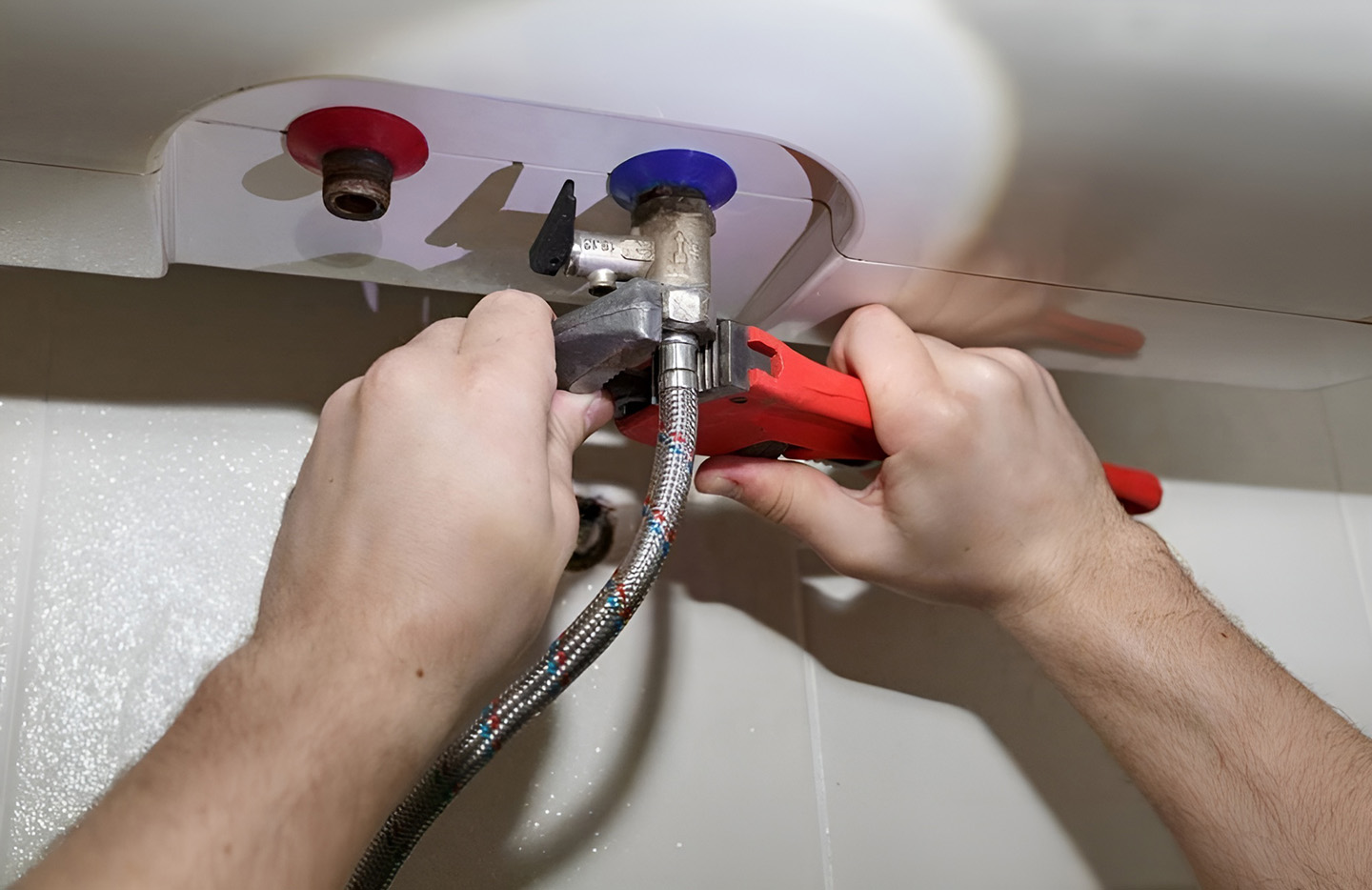
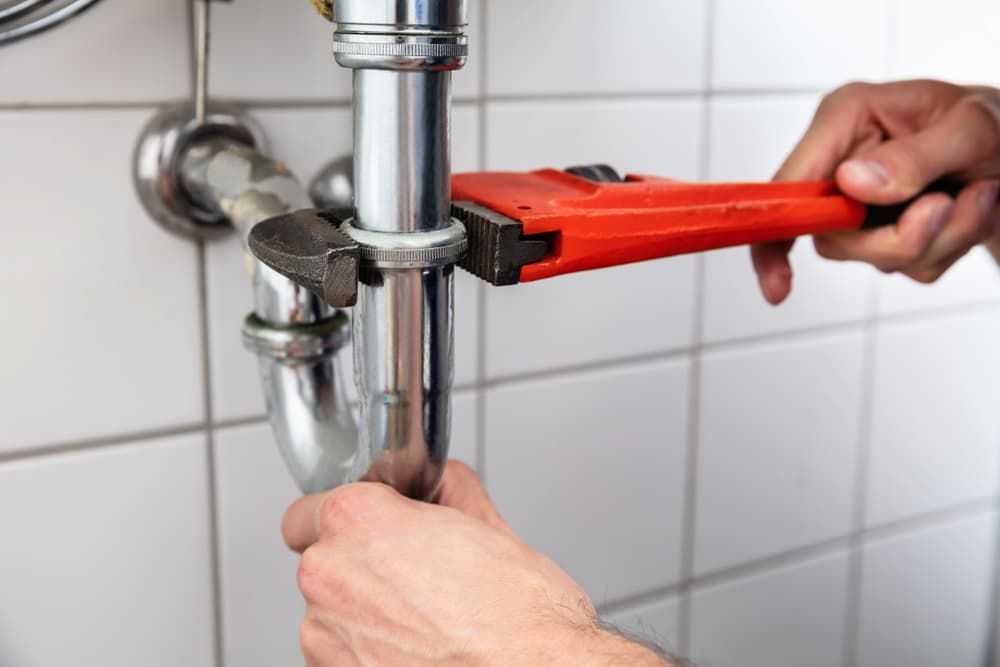
Internal plumbing is where a lot of a home's daily function is decided, from water pressure to drainage performance, and it needs to be right before walls are closed in. For new home plumbing in Dubbo, this stage sets the foundation for everything that follows once the build is complete.
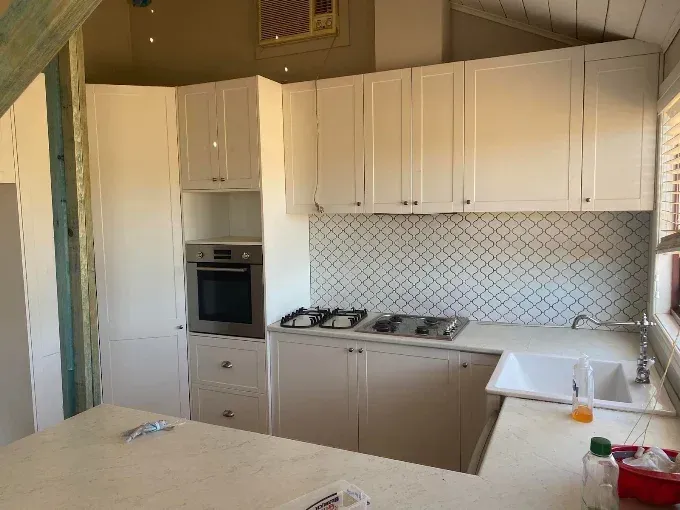
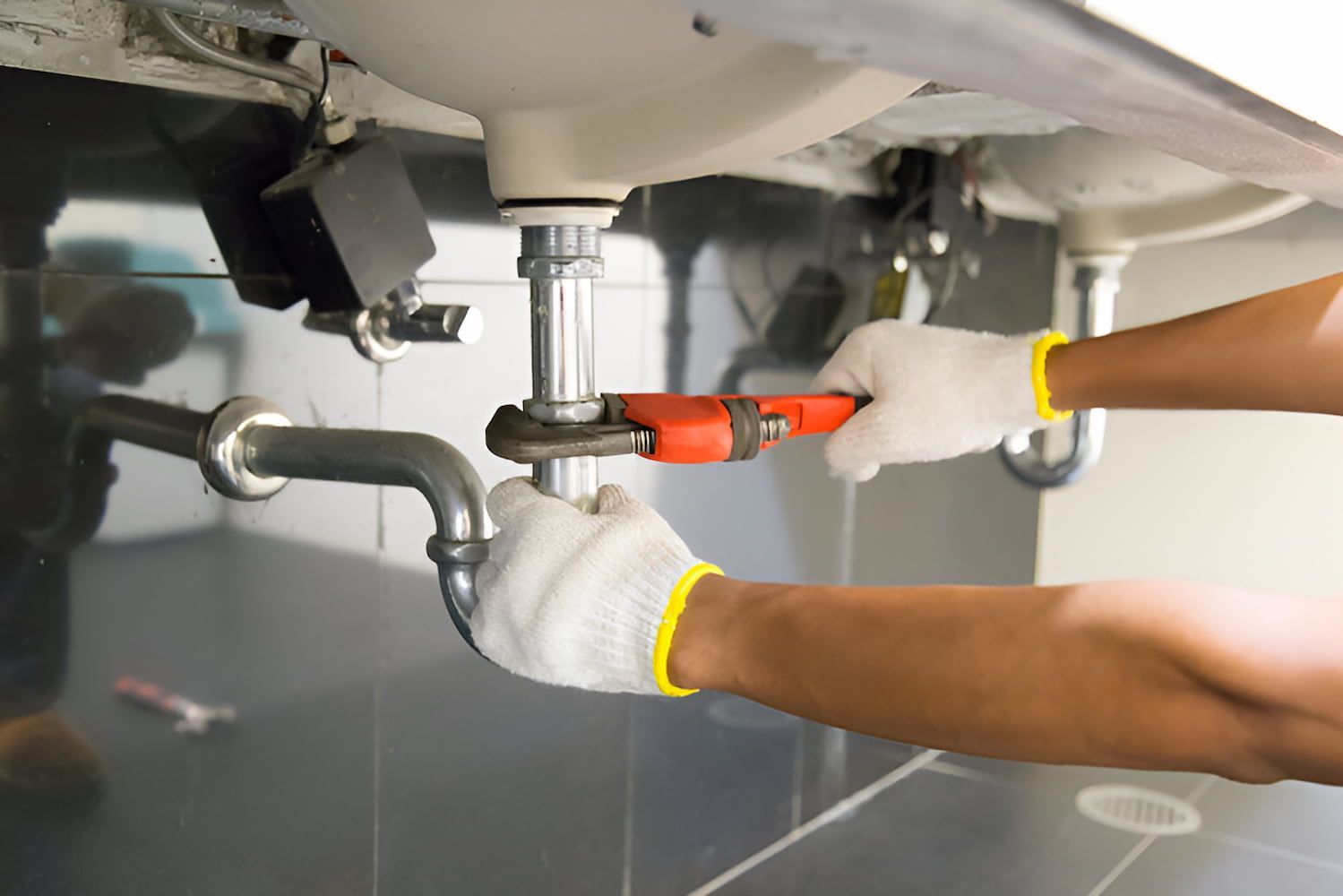
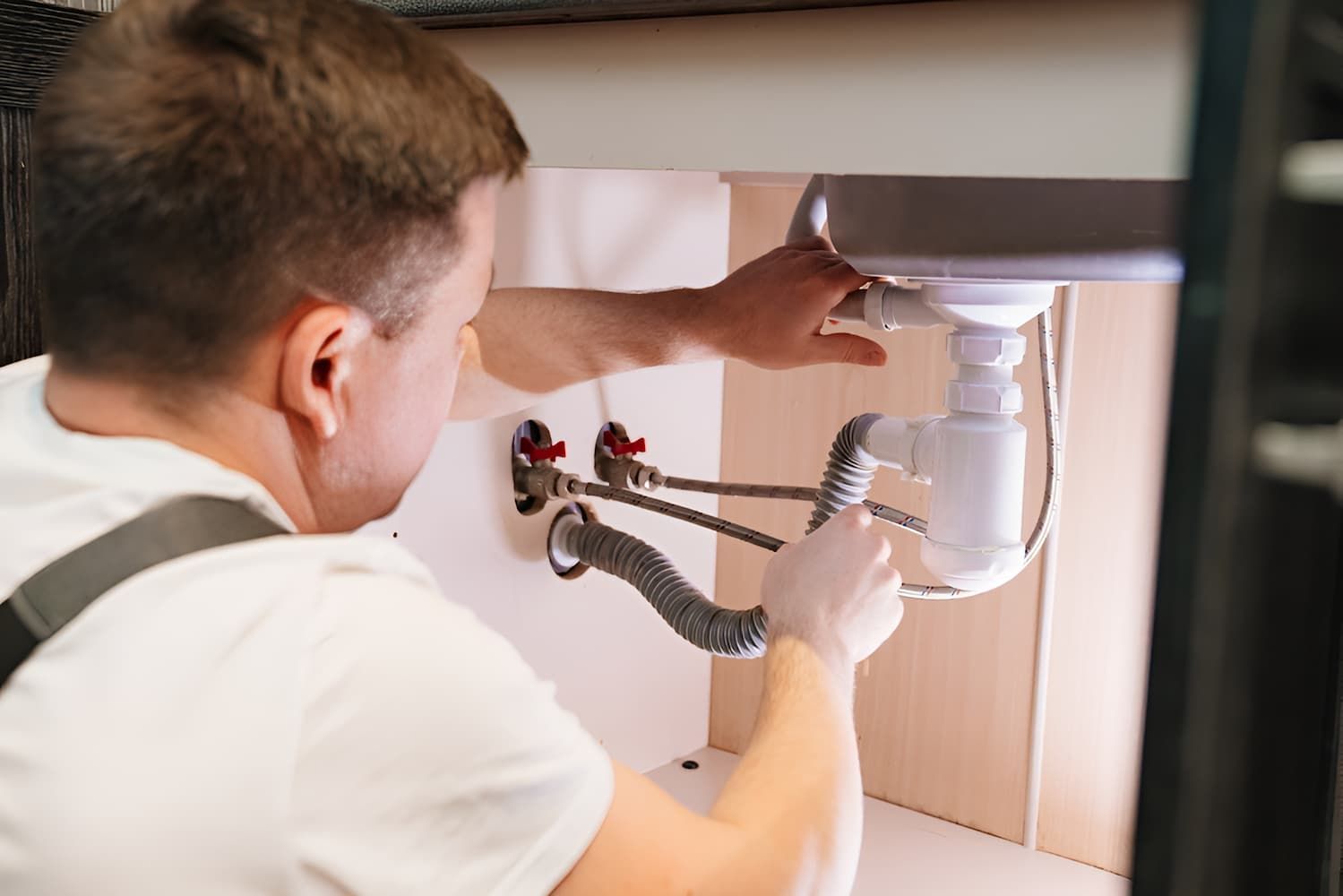
- Rough-in plumbing for kitchens, bathrooms and laundries, positioned to match the final fixture layout
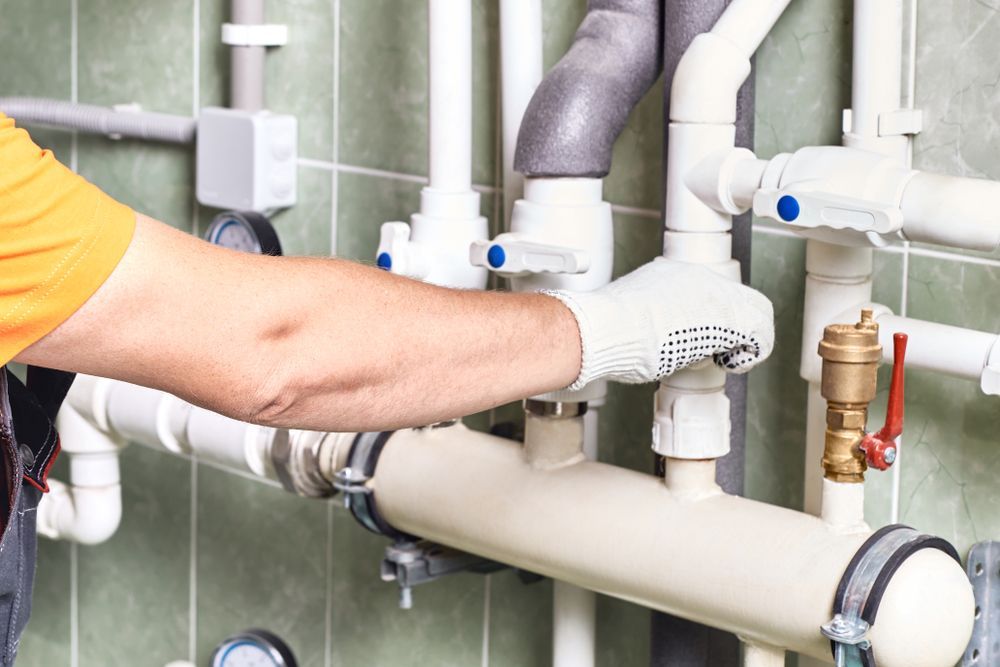
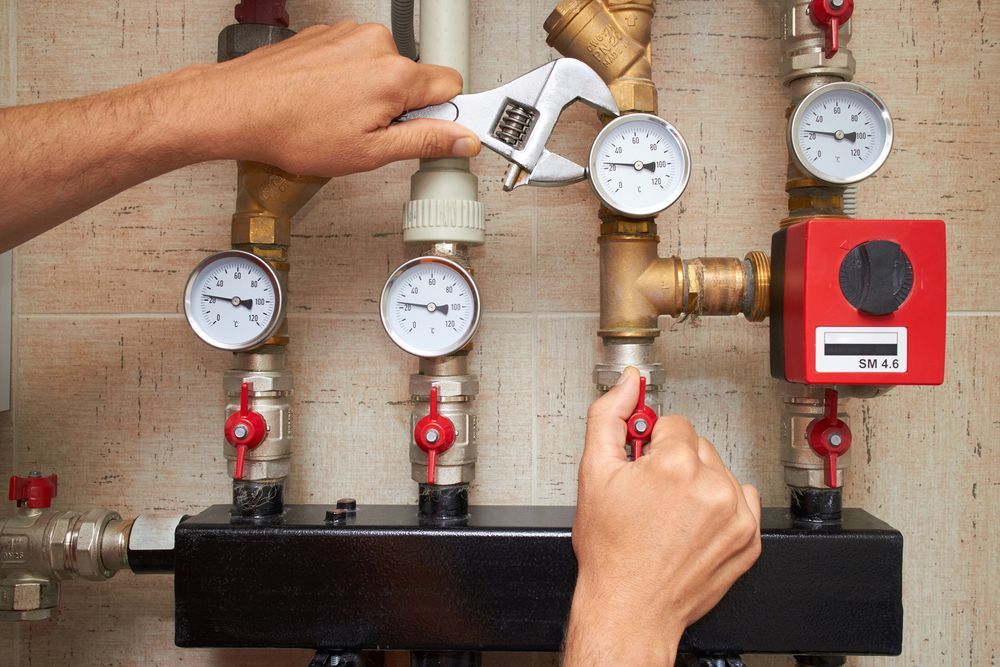
- Hot and cold water reticulation sized correctly for the number of outlets in the home
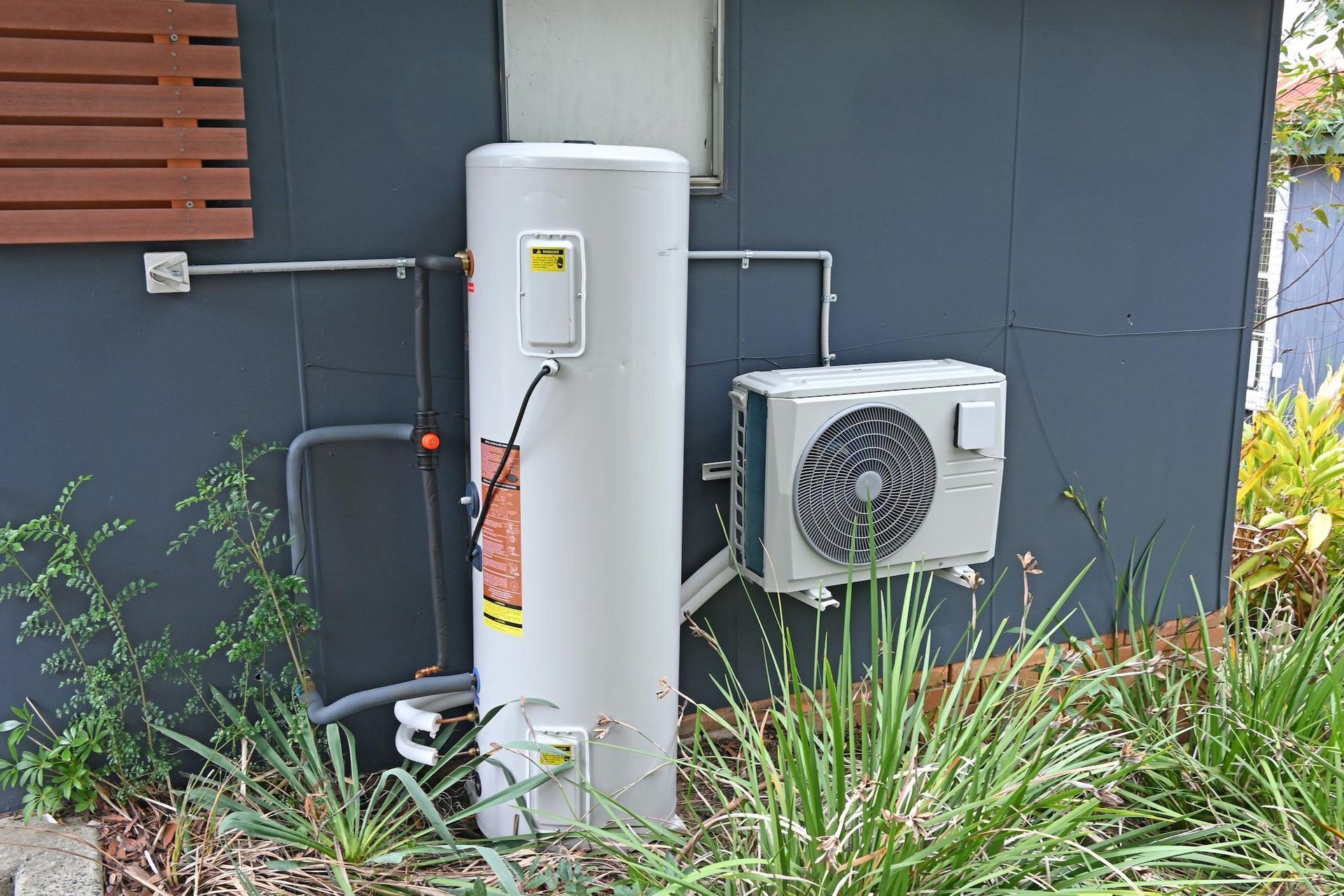
- Gas fitting for cooktops, hot water systems and heating, where applicable
- Sewer and stormwater connections coordinated with council infrastructure
Our
plumber for new home builds service is built around this stage-by-stage process, so each element of the internal plumbing is completed in the right sequence relative to the rest of the build.
Hidden Moisture Damage May Point to Plumbing Leaks
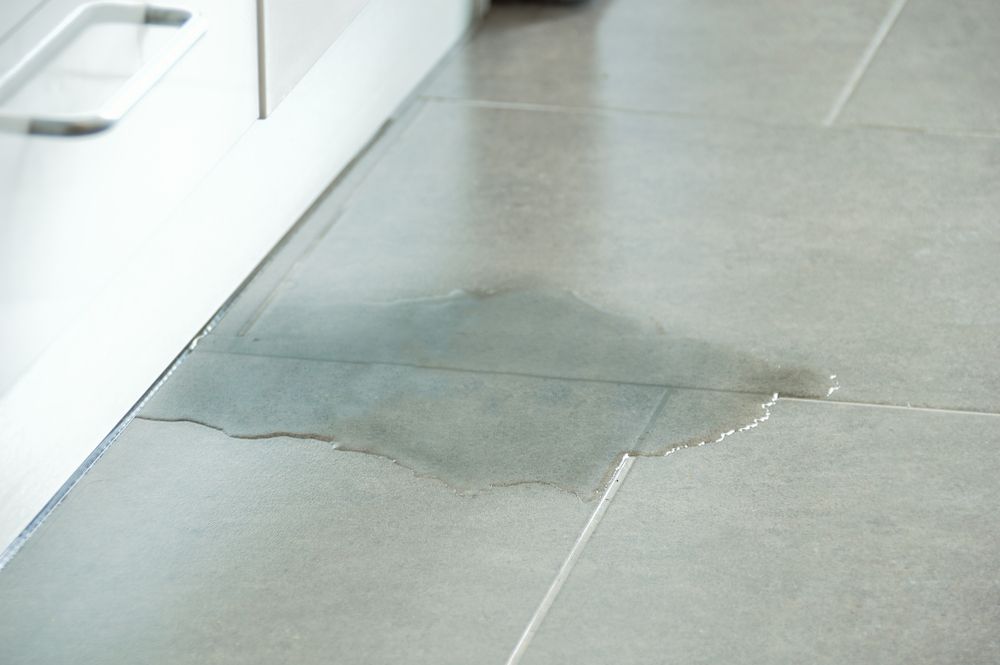
Not all water damage originates from roofing problems. Concealed plumbing leaks inside walls, beneath flooring and under slabs can slowly cause structural deterioration over many years.
Professional plumbing inspections carried out by experienced plumbers in Dubbo help identify moisture-related concerns before they become catastrophic. Because these leaks often develop gradually, the warning signs may appear subtle during a standard property viewing.
Plumbers commonly look for:
- Damp or musty odours throughout the property
- Bubbling paint or swollen skirting boards
- Mould growth developing on walls or ceilings
- Unexplained staining near kitchens, bathrooms or laundries
Even relatively small leaks can contribute to long-term structural damage, increased water bills and mould-related health concerns if left unresolved.
Roofing and Guttering That's Built to Last
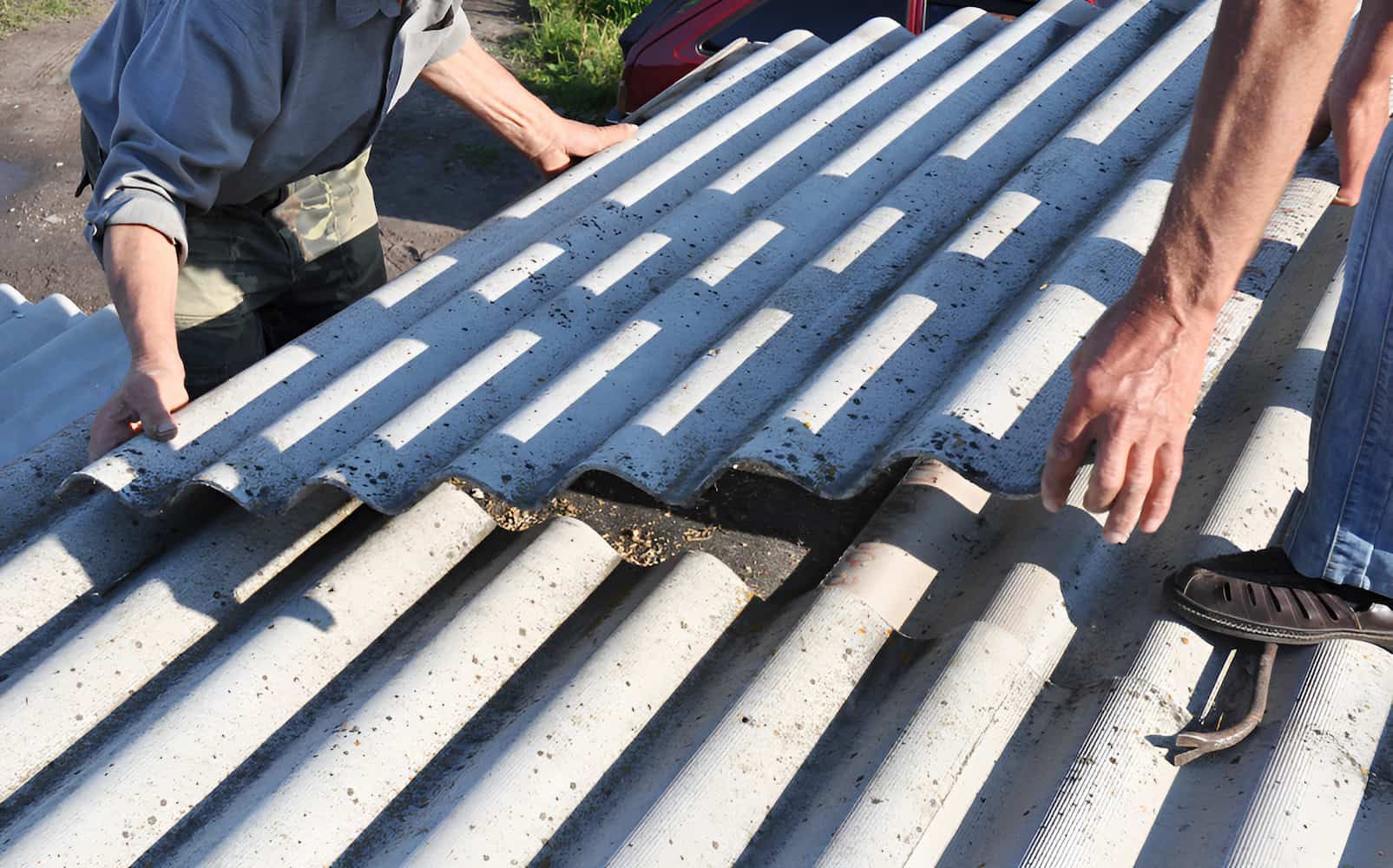
Roofing and guttering aren't just about covering the frame; they're the first line of defence against water entering the home at all. For roofing in Dubbo, getting the detailing right at installation avoids issues that are far more difficult to fix once the home is occupied.
- Roof sheeting and flashing installed to manufacturer specifications and local wind ratings
- Guttering and downpipes sized to the roof's catchment area, not a standard default
- Valley and junction flashing checked for correct overlap and fall
- Leaf guard or debris management options where relevant to the site
Because the same team that installs the roof also installs the guttering, there's no ambiguity about where one component's responsibility ends and the next begins.
Fewer Handovers, Fewer Delays
Every handover between trades is a point where a build can lose momentum. If the roofer finishes but the guttering contractor isn't scheduled for another week, or the plumber is waiting on roof drainage points that haven't been installed yet, the whole build timeline absorbs the gap.
- Scheduling is managed internally rather than coordinated between separate businesses
- Site access is arranged once for multiple trades instead of several times
- Faults identified during one stage can be addressed immediately by the same team, rather than requiring a call-out from another contractor
For new-home builders managing a tight construction timeline, this reduces the number of variables outside their direct control.
Ready to Simplify Your New Build?
We at GPS Plumbing understand that building a new home in Dubbo comes with enough decisions without having to manage multiple contractors for your plumbing, roofing and guttering. Dubbo's climate brings its share of storms and heavy seasonal rainfall, which makes correctly integrated roof drainage and stormwater plumbing particularly important from day one. As one of the trusted plumbers in Dubbo, we bring plumbing, roofing and guttering together under a single licensed team, so your new build has one point of contact and one set of compliance records from start to finish. Get in touch with our team today to discuss your new home plumbing needs, or visit our website at https://www.gpsplumbingdubbo.com.au/ to find out more about how we can support your build.